

How BMI Affects Blood Sugar: A Simple Patient Guide
Body Mass Index (BMI) is a practical tool that estimates total body fat based on your height and weight. For many individuals, a higher BMI is closely linked to elevated…

AI summaries are provided for informational purposes only and do not replace professional medical advice.
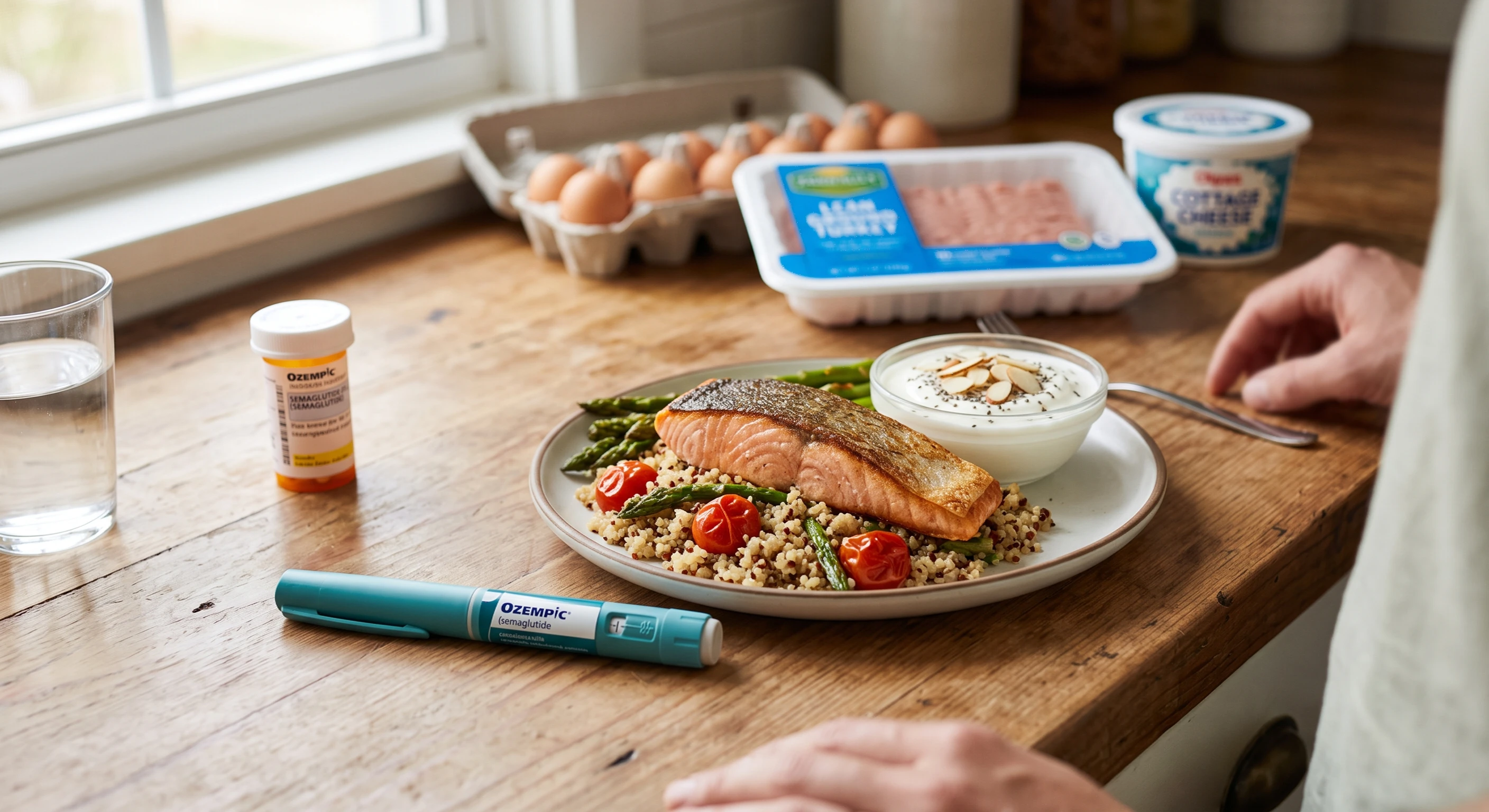
When you are prescribed Ozempic by a healthcare professional, your body undergoes changes that can significantly impact your appetite and eating habits. Because this medication slows gastric emptying and helps you feel full faster, you will likely eat smaller portions. While this helps manage blood sugar and weight, it also means every bite you take needs to be packed with the right nutrients.
One of the most critical nutrients to focus on during this time is protein. Eating smaller amounts of food can inadvertently lead to a loss of lean muscle mass along with fat. Incorporating high-protein foods into your daily meals is a practical and actionable way to support your body, maintain muscle strength, and keep your energy levels stable.
Protein is the building block of your muscles, bones, and skin. When your overall calorie intake drops, your body might start breaking down muscle tissue for energy if you are not consuming enough protein.
Focusing on a high-protein diet serves several educational and health-related purposes:
Adding protein to your diet does not have to be complicated. Here is a helpful guide to the best high-protein foods to eat.
Chicken breast and turkey are excellent staples. They offer a very high protein yield with minimal saturated fat. Preparing these meats baked, grilled, or roasted ensures they remain healthy and easy to digest. Lean cuts of beef or pork can also be included in moderation to provide essential iron and B vitamins.
Fish is incredibly beneficial because it is light on the stomach, which is helpful if you are experiencing decreased appetite. Salmon, tuna, and mackerel are not only rich in protein but also provide omega-3 fatty acids that support heart health. Shrimp and scallops are fantastic, low-calorie options that pack a massive protein punch per serving.
Eggs are one of the most bioavailable sources of protein, meaning your body can easily absorb and use the nutrients. They are versatile and can be eaten for any meal.
Dairy products are also highly effective:
If you prefer vegetarian options, the plant kingdom offers plenty of robust choices.
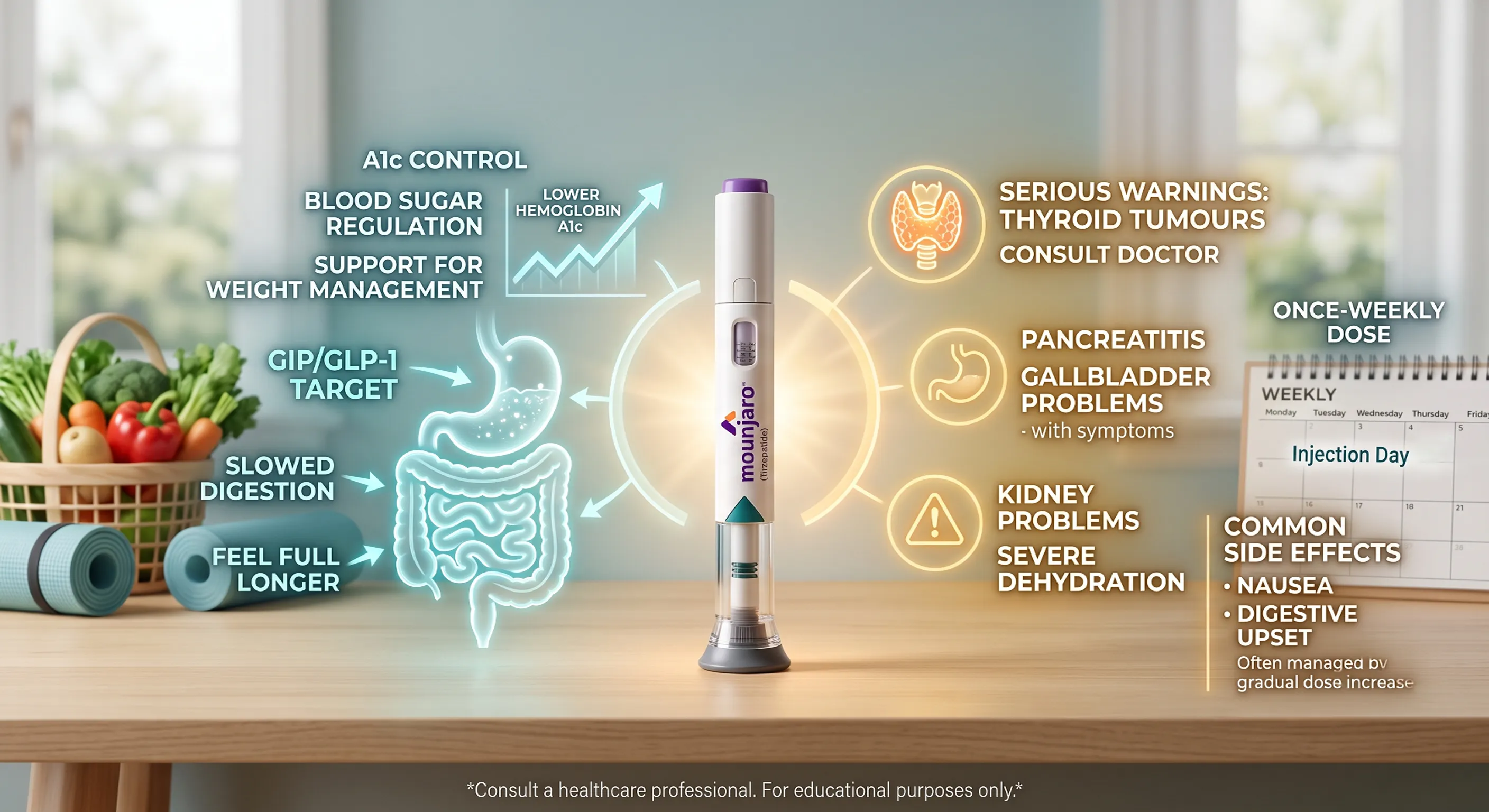
While managing your diet is crucial, it is equally important to maintain a balanced perspective on your overall treatment plan. Using prescription medications requires careful monitoring. You should be aware of the risks and potential side effects associated with your treatment, such as nausea, vomiting, diarrhea, stomach pain, and constipation.
Sometimes, high-protein foods like high-protein meats or large portions of dairy can exacerbate nausea or slow digestion. If you experience these side effects, it is important to choose lighter protein sources, such as protein shakes or bone broth, which are easier to digest. Always consult your healthcare provider or a registered dietitian to tailor a nutrition plan that safely aligns with your medical history and current prescriptions.
Weight loss from eating fewer calories can result in the loss of both fat and lean muscle mass. This is why prioritizing protein and engaging in resistance training are highly recommended to help preserve your muscles.
While individual needs vary by age, weight, and activity level, a general guideline is to aim for 1.2 to 1.5 grams of protein per kilogram of body weight. You should speak with a healthcare professional to determine the exact target that is right for you.
It is generally best to avoid highly processed foods, foods high in refined sugars, and greasy or fried foods. These items can worsen digestive side effects and do not provide the necessary nutritional value your body needs when eating reduced portions.
Yes, protein shakes can be a very helpful tool, especially on days when your appetite is exceptionally low or when solid foods cause stomach discomfort. Look for options with low added sugars and high-quality protein isolates.
Navigating your nutritional needs while using prescription treatments requires mindfulness and a proactive approach to your health. By prioritizing high-quality, high-protein foods like lean meats, fish, eggs, and plant-based options, you can help protect your lean muscle mass and maintain your energy levels. Remember that managing your health is a comprehensive journey. Always weigh the benefits and risks of your treatment with your doctor, and use these dietary strategies to support your body every step of the way.



We specialize in Men’s Health.
Themd.ca service is FREE for patients in British Columbia with a valid health number.
For patients located elsewhere in Canada, we provide virtual consultation for men’s health if you are in Alberta, Ontario, New Brunswick, Nova Scotia and Yukon for a flat fee of $40.00. This is changing, so please visit our website for any updates and changes.
Add "Kama Health Pharmacy" on the preferred pharmacy field to lock in affordable medications
Themd.ca


