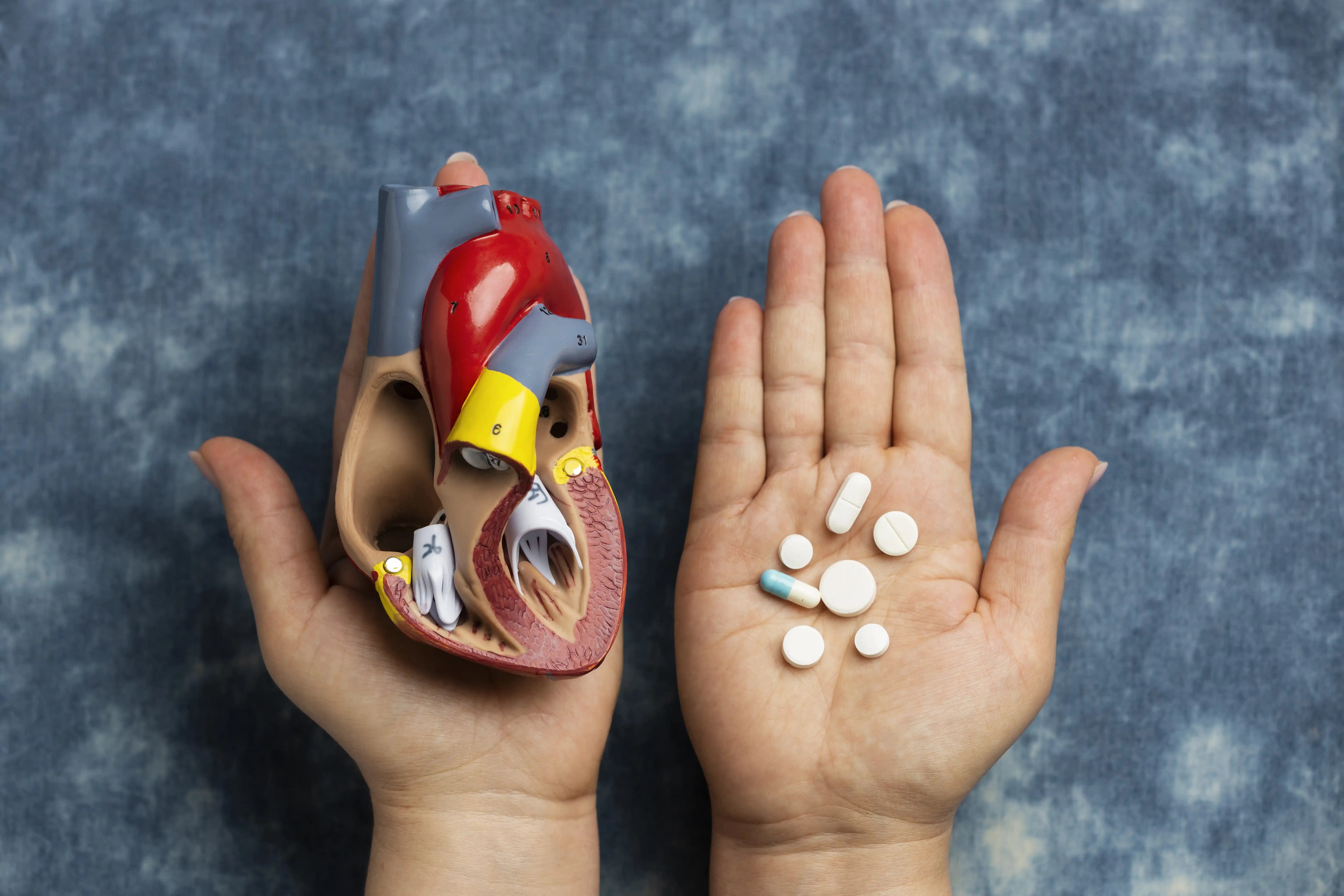
Erectile dysfunction, or ED, is not just a sexual issue; it can also be an early indicator of severe health conditions such as diabetes and heart disease. These medical conditions can damage blood vessels and nerves, both of which are crucial for maintaining healthy erectile function.
In this article, we will examine how vascular health is linked to sexual performance, explore treatment approaches such as ED medication in Canada, and share prevention strategies for better overall health.
The Link Between Vascular Health and Sexual Function
Sexual health is often seen as a separate issue, but it is closely linked to heart and vascular health. Proper blood flow is essential for achieving and sustaining an erection or feeling sexual arousal. When the circulatory system is impaired, due to conditions like atherosclerosis, diabetes, or high blood pressure, it can significantly disrupt sexual function.
The Importance of Vascular Health in Sexual Function
Sexual arousal is a coordinated process that depends on the proper function of blood vessels, hormones, muscles, and nerves. Central to this process is healthy blood flow. In men, an erection occurs when blood fills the penile arteries and becomes trapped in the erectile tissue. For women, increased blood flow enhances sensitivity, vaginal lubrication, and overall arousal.
When blood vessels are damaged or narrowed, circulation becomes impaired, making sexual arousal more difficult or even unachievable. The following cardiovascular issues can have a direct and often significant impact on sexual performance:
Coronary artery disease
Diabetes
Elevated cholesterol
High blood pressure
Peripheral artery disease
Erectile Dysfunction and Vascular Health
ED is the ongoing difficulty in getting or keeping an erection firm enough for sexual activity. While occasional issues can be everyday, persistent ED is often a sign of an underlying health condition, most commonly, vascular disease.
In many cases, ED develops before any noticeable symptoms of heart disease. This happens because the penile arteries are narrower than the coronary arteries, making them more susceptible to early blockages. If you are experiencing ED, particularly if you are under 50, it may be an early indicator of vascular issues and a valuable chance to take preventive action.
Steps in ED Diagnosis
Medical History: The diagnostic process begins with a detailed review of your medical and sexual history. Your doctor may ask about:
When the symptoms started and how long they have persisted
Pre-existing medical conditions like diabetes, heart disease, or high blood pressure
Any challenges in your relationship dynamics or sexual performance
Mental health concerns such as anxiety, depression, or stress
Use of medications, alcohol consumption, and smoking habits
Physical Examination: A physical exam helps identify physical causes of ED. It may include:
Evaluation of blood pressure and cardiovascular health
Examination of the penis and testicles for anatomical or structural abnormalities
Signs of hormonal imbalance, such as breast enlargement (gynecomastia) or low testosterone levels
Blood and Laboratory Tests: Your doctor may order lab tests to check for:
Elevated blood sugar levels or cholesterol, which may indicate vascular issues or diabetes
Hormonal imbalances, including low testosterone
Kidney or liver function, as organ dysfunction can affect sexual health
Nocturnal Penile Tumescence (NPT) Test: This test measures spontaneous reactions during sleep. If normal nighttime erections are present, the cause of ED may be psychological rather than physical.
Penile Doppler Ultrasound: A specialized ultrasound is used to evaluate blood flow in the penile arteries. This test helps detect vascular problems that may be contributing to ED.
Psychological Evaluation: If emotional or mental health factors are suspected, a mental health professional may conduct a psychological assessment to evaluate anxiety, depression, relationship issues, or stress that could be affecting sexual function.
The Importance of Early Diagnosis of ED
Increases the Chances of Successful Treatment: Managing ED in its initial stages often results in more effective treatment, such as ED medication in Canada, and can help prevent the problem from worsening over time.
Promotes Positive Lifestyle Changes: Early diagnosis creates a timely opportunity to adopt heart-healthy habits like eating well, regular physical activity, quitting smoking, and managing stress; all of which can improve both sexual and overall health.
Strengthens Intimacy and Relationships: Addressing ED early helps preserve intimacy and trust in relationships, allowing couples to maintain a satisfying emotional and physical connection.
Supports Mental and Emotional Well-Being: Living with untreated ED can lead to emotional distress, low self-confidence, and strain in relationships. Getting a timely diagnosis can ease these challenges and support better psychological health.
Uncovers Underlying Health Conditions: ED can be an early indicator of serious medical issues such as cardiovascular disease, diabetes, or hormonal imbalances. Identifying ED early allows doctors to detect and address these conditions before they progress.
Note: Do not overlook ongoing erection problems. Seeking early medical evaluation can uncover the underlying cause, improve treatment success, and safeguard your long-term health and quality of life.
Treatment Approaches for ED in Men with Diabetes and Heart Disease
ED is significantly more common in men with diabetes and heart disease due to the impact these conditions have on blood vessels, hormone levels, and nerves. Managing ED in this group requires a cautious and comprehensive approach, focusing not just on symptoms but on improving overall health.
1. Lifestyle Modifications (The Foundation of ED Treatment)
Improving heart and metabolic health is essential. Lifestyle changes benefit both ED and the underlying conditions causing it.
Heart-Healthy Diet: Focus on fibre-rich, healthy fats, low-sodium foods, and lean proteins.
Quit Smoking and Limit Alcohol: These habits can damage blood vessels and worsen ED.
Regular Exercise: Enhances circulation, insulin sensitivity, and testosterone levels.
Weight Management: Reducing excess weight can restore hormonal balance and reduce vascular strain.
2. Oral Medications: Use with Care
ED oral medications or PDE5 inhibitors are effective for many men, including those with diabetes or heart disease. However:
They should be avoided with nitrate medications, as the combination can dangerously lower blood pressure.
Always consult a medical provider before taking any ED medication in Canada to ensure heart conditions are stable enough for medication use and sexual activity.
Here’s a list of commonly prescribed ED pills in Canada:
Well-studied and effective, high-fat meals may delay absorption
Can be taken as needed or as a daily low-dose option for more spontaneous activity
May be preferred in men with diabetes due to good results in this group
3. Penile Devices and Injections
When oral medications are ineffective or not suitable, non-oral options may be used:
Penile Injections: Medications like alprostadil are injected directly into the penis to stimulate an erection.
Urethral Suppositories (MUSE): A less invasive alternative to injections.
Vacuum Erection Devices (VEDs): Create an erection by drawing blood into the penis using negative pressure.
4. Testosterone Replacement Therapy or TRT
Men with diabetes or metabolic syndrome may have low testosterone levels, which can contribute to ED. TRT may be considered after careful screening, especially if symptoms like fatigue, low libido, or muscle loss are also present. However, TRT is not suitable for all patients, especially those with heart conditions or prostate issues.
5. Surgical Implants
For men who do not respond to other treatments, penile implants (inflatable or semi-rigid) are a permanent solution. It is important to note that surgery carries risks, especially for men with cardiovascular issues, so it is reserved for well-selected candidates.
6. Psychological Support
Anxiety, chronic illness, and relationship stress can all worsen ED. Counselling or sex therapy may be beneficial, especially when emotional factors are involved.
Preventing Strategies: Protecting Heart, Blood Sugar, and Bedroom Health
1. Prioritize Heart Health
Strong cardiovascular health ensures good blood flow, which is essential for erections. Start a healthy and active lifestyle by adopting a heart-healthy diet and increasing your physical activity. It is also important to manage blood pressure and cholesterol through lifestyle and medication if needed.
2. Keep Blood Sugar in Check
Elevated blood sugar can damage blood vessels and nerves, which significantly increases the risk of ED, especially in men with diabetes or prediabetes.
To protect both metabolic and sexual health:
Choose complex carbohydrates and low-glycemic foods to stabilize blood sugar.
Limit sugary beverages and processed snacks.
Follow your prescribed treatment plan.
Track your blood glucose levels consistently.
3. Support Sexual Health Through Daily Habits
As mentioned, ED is often an early signal of deeper health concerns. Making proactive lifestyle choices now helps preserve sexual function and overall vitality. Maintain a healthy body weight to promote hormonal balance and vascular health. Also, make sure to get adequate and restful sleep since sleep disorders are linked to reduced testosterone.
4. Prioritize Regular Health Screenings
Routine medical exams help detect and manage hidden health risks that can impact sexual function, including:
Cardiovascular disease
High blood pressure
Hormonal imbalances
Prediabetes and diabetes
Early detection allows for prompt treatment options, such as ED medication in Canada, and the prevention of complications.
Key Takeaways
Living with chronic conditions like diabetes and heart disease can be overwhelming, but erectile dysfunction does not have to be an added burden. With personalized care and the proper support, you can manage your symptoms and enjoy a fulfilling sex life. Talk to your medical provider about ED medication in Canada and whether it is the right fit for your treatment plan.
For many men, erectile dysfunction (ED) is more than a temporary setback; it can profoundly impact confidence, intimate relationships, and overall quality of life. ED is defined as the persistent…
Erectile dysfunction, or ED, is a widespread concern among men of all ages, often causing emotional strain and impacting relationships. Tadalafil, a trusted prescription medication, offers a ray of hope…
For men dealing with erectile dysfunction (ED), finding a reliable and effective treatment is essential. Tadalafil medications, widely known for their efficacy, offer a solution to improve erectile function by…
Trustindex verifies that the original source of the review is Google.
Thank you very much for the great service provided to me. I have received the medication on time and the experience with KamaHealth was great! I appreciate that and I will continue with you when I need any medication. Again thank you so much for your service.
Posted on
Olivier Robert
Trustindex verifies that the original source of the review is Google.
Merci beaucoup! Service impeccable
Ho Yeah !
Posted on
Roger Howden
Trustindex verifies that the original source of the review is Google.
Very professional, patient and polite service rendered at KamaHealth.
Posted on
Malcolm Brown
Trustindex verifies that the original source of the review is Google.
Great team and great support!
Verified by Trustindex
Trustindex verified badge is the Universal Symbol of Trust. Only the greatest companies can get the verified badge who has a review score above 4.5, based on customer reviews over the past 12 months. Read more
KamaHealth 201-7350 King George Blvd. Surrey, BC V3W 5A5
We recognize that Surrey is situated on the unceded traditional territories of the Coast Salish peoples, including the Katzie, Kwantlen and Semiahmoo First Nations. We also respectfully acknowledge the many other Indigenous nations that are represented among Surrey’s population.
Please select your preferred provider for online consultation.
We specialize in Men’s Health.
Themd.ca service is FREE for patients in British Columbia with a valid health number.
For patients located elsewhere in Canada, we provide virtual consultation for men’s health if you are in Alberta, Ontario, New Brunswick, Nova Scotia and Yukon for a flat fee of $40.00. This is changing, so please visit our website for any updates and changes.
Add "Kama Health Pharmacy" on the
preferred pharmacy field to lock in affordable medications
The International Index of Erectile Function (IIEF-5) questionnaire below will provide you with a quick result in the form of a score from 5 to 25.
Men with concerns about their erectile function can take this quick test and get some information on whether it might be good to seek help for ED.
What Qualifies as an Erectile Dysfunction Problem?
Most men have experienced some difficulty in getting or keeping an erection. Having trouble when you’re nervous or have had too much to drink may not be something to be concerned about.
It isn’t erectile dysfunction unless you are experiencing ongoing difficulty.
The Canadian Study of Erectile Dysfunction identified 49.4% of men over 40 with ED (Canadian Urological Association erectile dysfunction guideline 2015). Though all men may experience an occasional lapse of sexual function, ED is the persistent inability to achieve an erection, despite being sexually aroused.
IIEF-5 Erectile Dysfunction Questionnaire Scoring
Each of the questions has five possible responses, with score values from one to five.
Your total score is simply the sum of the values of all five answers to the ED test questions.
Possible ED Test Score Ranges
22-25: No erectile dysfunction 17-21: Mild erectile dysfunction 12-16: Mild to moderate erectile dysfunction 8-11: Moderate erectile dysfunction 5-7: Severe erectile dysfunction
The results of this brief self-evaluation should be used as a guide for whether you might want to consult with a doctor, and not as a replacement for a medical consultation.
Take the International Index of Erectile Function (IIEF-5) Questionnaire
Answer the five questions and the results will be automatically emailed to you in minutes.
The information you choose to share will be treated as confidential and will not be disclosed to any third parties.
Discover more from Kama Health
Subscribe now to keep reading and get access to the full archive.