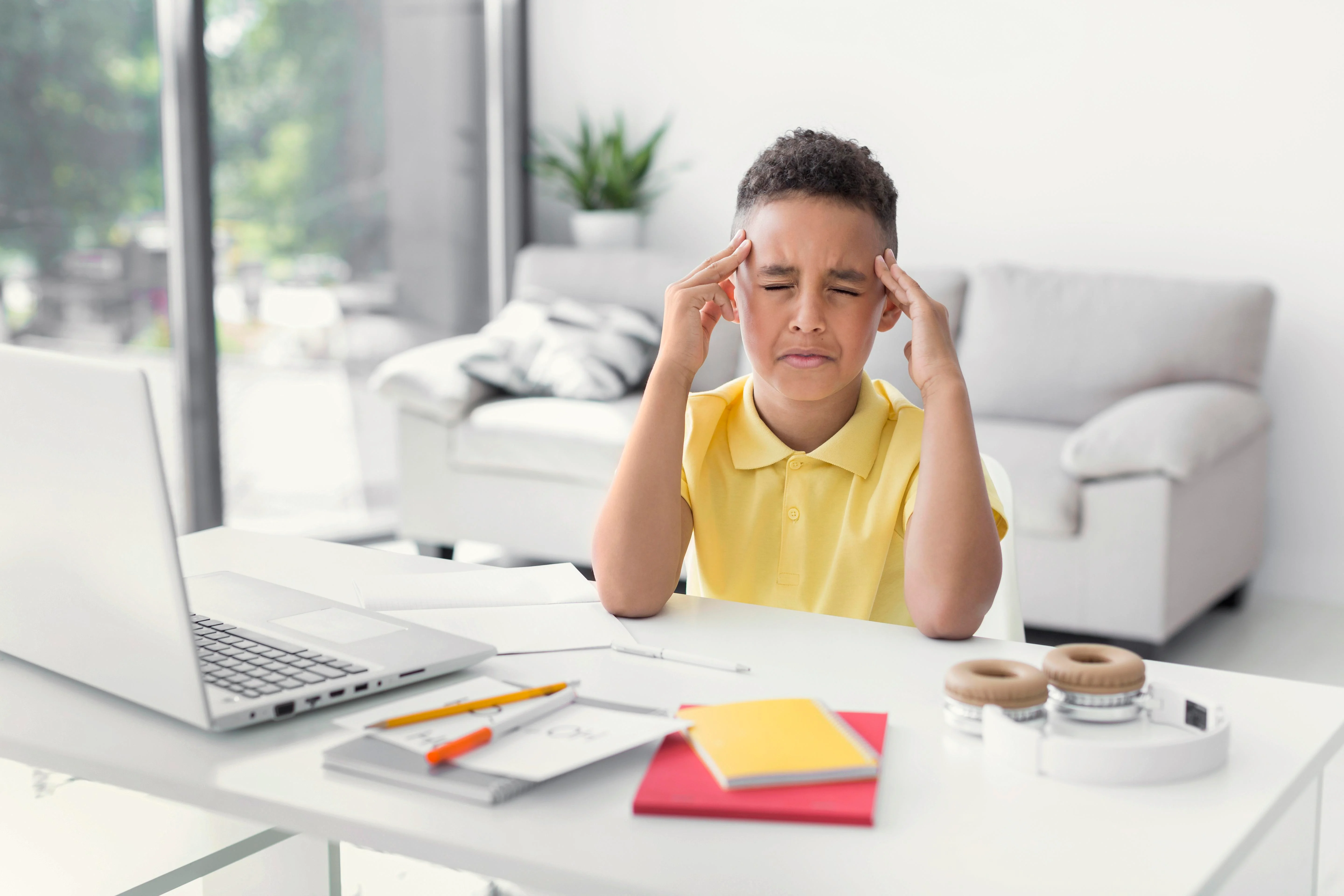
Migraines in Children: Symptoms and Treatment Options
Childhood migraines can be just as severe and just as disruptive as those in adults. It impacts not just their well-being, but also their education and daily life. Early diagnosis and effective treatment are crucial for optimal outcomes. Fortunately, several treatment options are available, including Imitrex, a fast-acting medication designed to stop migraines in their tracks when taken early in an attack.
In today’s post, we will share how to identify migraines in children, what causes them, and the most effective ways to manage the symptoms. Get expert tips on when to seek treatment and how to help your child live migraine-free.
Understanding Migraines in Children
Migraines are not limited to adults; they can affect children, too, even those as young as toddlers. These episodes can be just as intense and disruptive as they are in adults. For parents and caregivers, learning to recognize the symptoms and triggers of pediatric migraines can be crucial in helping children get timely relief and appropriate care.
A migraine is a neurological condition that causes intense, throbbing headaches usually accompanied by nausea, sensitivity to light and sound, and vomiting. Migraines in children are more than just ordinary headaches.
How Migraines Appear in Children
Migraine episodes in children are usually shorter in duration, often lasting less than two hours.
Pain may occur on both sides of the head, unlike the more one-sided pain often seen in adults.
Some children also report experiencing aura, visual or sensory disturbances such as blind spots, flashing lights, or tingling sensations, before the onset of the headache.
Dizziness, noticeable mood shifts, or stomach discomfort may accompany them.
Recognizing Migraine Symptoms in Children
Children may find it challenging to articulate their symptoms, so it is essential to observe the following warning signs:
Increased irritability or emotional outbursts
Nausea or vomiting
Noticeable fatigue or low energy
Sensitivity to light, noise, or smells
Trouble focusing or difficulty completing tasks
Verbal complaints of headache or pressure
For toddlers and younger children, additional symptoms may include:
Abdominal pain
Pale or flushed skin
Wanting to lie down in a dark, quiet room
Migraine Prevalence in Children
Migraines are more widespread in children than many parents might expect. Research shows that about 10% of school-aged children and up to 28% of teenagers experience migraines. These severe headaches can begin as early as 18 months of age, but they often go unrecognized, especially in very young children who may struggle to describe their symptoms.
Important Statistics:
Between 3% and 10% of children under 10 years old suffer from migraines.
By the age of 7, approximately 4% of boys and 3% of girls are affected.
During adolescence, particularly after puberty, migraine rates rise, with girls more commonly affected than boys, mainly due to hormonal changes.
By age 17, migraines impact up to 8% of boys and 23% of girls.
What Causes Migraines in Children
While the root cause of migraines is still under research, several known triggers may increase a child’s risk of an attack:
Certain foods and additives (artificial sweeteners, chocolate, cured meats)
Dehydration
Exposure to bright lights, loud noises, or strong smells
Hormonal shifts, especially during adolescence
Irregular sleep patterns or insufficient rest
Skipping meals or poor eating habits
Stress or emotional upset
Additionally, genetics plays a role. Children with one or both parents who have migraines are more likely to develop them too.
Why Early Recognition is Crucial
Recognizing the signs of migraines in children is a proactive step that parents and caregivers can take. By being aware of the symptoms and seeking timely medical advice, you can help your child manage their condition effectively. Remember, early recognition is crucial in preventing missed school days, reduced academic performance, and a lower overall quality of life.
Suppose your child often complains of head pain, especially alongside nausea, tiredness, desire to lie down, or sensitivity to light or sound. In that case, it is worth consulting a pediatrician for migraine evaluation and management.
How are Migraines Diagnosed in Kids?
There is no specific test to confirm a migraine diagnosis. Instead, a healthcare provider will assess:
Your child’s medical history
Family history of migraines
Reported symptoms or headache history
A physical exam may also be performed to rule out other serious causes of headaches. Your doctor may recommend imaging tests like a CT scan or an MRI, especially if the symptoms are unusual or worsening.
Treatment Options for Children with Migraines
Managing migraines in children involves a combination of lifestyle adjustments, medications, and supportive therapies. The proper treatment plan or migraine medication depends on your child’s age, the frequency and severity of migraines, and how much the headaches affect their daily life.
1. Medications
For many children, medication can effectively relieve or prevent migraines. Common options include:
OTC (over-the-counter) pain relievers such as acetaminophen or ibuprofen can help reduce headache pain if taken early.
Triptans, like Imitrex (sumatriptan), may be prescribed for older children or teens with moderate to severe migraines.
Anti-nausea medications can be used if vomiting is a frequent symptom.
Preventive medications, such as anticonvulsants, antidepressants, or beta-blockers, might be recommended for chronic or disabling migraines.
Note: All medications should be prescribed and monitored by a pediatrician or neurologist to ensure safety and proper dosing.
2. Migraine Management Plan
Working with your child’s healthcare provider to develop a personalized migraine plan is essential. This should include:
Identifying known triggers
Clear steps for managing migraine attacks at home or school
Strategies for early intervention
Tip: Keeping a migraine diary can help identify triggers, track patterns, and evaluate how well treatments such as taking Imitrex are working.
Lifestyle Modifications and Non-Medication Therapies
While medication like Imitrex can help manage pediatric migraines, many children benefit significantly from non-drug therapies and simple lifestyle adjustments. These approaches not only reduce migraine frequency and intensity but also promote overall well-being.
1. Encouraging Regular Physical Activity
Exercise can help manage migraines by reducing stress and improving circulation. Aim for:
At least 30 minutes of activity on most days
Fun, low-impact activities like biking, dancing, swimming, or walking
Note: Strenuous or sudden activity can sometimes trigger migraines; finding a comfortable level is key.
2. Establishing Healthy Sleep Patterns
Inconsistent or poor-quality sleep is a common migraine trigger. You can support better sleep by:
Creating a relaxing, screen-free bedtime routine
Setting a regular sleep and wake schedule, including weekends
Making sure your child gets enough sleep for their age, typically 9-12 hours for school-aged children
3. Exploring Complementary and Natural Therapies
Several alternative treatments have shown potential in reducing migraine symptoms in children:
Biofeedback Therapy teaches children to control physical reactions like heart rate and muscle tension.
Cognitive Behavioural Therapy or CBT can help children manage anxiety, pain, and stress.
Massage therapy or acupuncture may offer relaxation and relief for some children.
Nutritional supplements like magnesium or riboflavin (vitamin B2) can be taken, but only with a doctor’s approval.
4. Managing Screen Time
Prolonged screen exposure can contribute to migraines by causing eye strain and sensory overload. Consider:
Adjusting the screen brightness and positioning to reduce discomfort and glare.
Following the 20-20-20 rule: every 20 minutes, look at something 20 feet away for 20 seconds.
Setting reasonable screen time limits based on age.
5. Prioritizing Balanced Meals and Hydration
Hunger and dehydration are known to contribute to migraine attacks. Encourage your child to:
Avoid going long periods without eating.
Drink plenty of water and limit caffeinated or sugary drinks.
Eat nutritious meals and snacks regularly throughout the day.
6. Supporting Emotional Well-Being and Stress Relief
Stress is one of the most common migraine triggers in kids. Help your child manage stress through:
Creative outlets such as drawing, journaling, or music.
Open communication about their emotions and daily experiences.
Relaxation practices like deep breathing, guided imagery, or mindfulness.
Professional support like counselling or therapy, especially if anxiety or school pressure is a concern.
Tip: Every child responds differently. Combining healthy habits with guidance from a medical provider can lead to a more effective and personalized migraine management plan.
Key Takeaways
Migraines can be challenging for children and families alike, but early intervention can improve quality of life. From identifying triggers to exploring safe medication options such as Imitrex, there are many tools available to help ease the burden. By working closely with your child’s doctor, you can find a comprehensive solution that brings lasting relief.
Hair loss doesn’t discriminate; it affects both men and women and can result from a wide range of factors. Fortunately, options like Finasteride are available to help manage certain types…
Studies estimate that migraines affect over 1 billion people globally, with many reporting significant interference in daily tasks and work performance. Migraines often strike without a warning, making it difficult…
Migraines are often unpredictable and highly disruptive, pushing many individuals to seek fast and effective relief. While some find comfort in over-the-counter (OTC) options like ibuprofen or acetaminophen, others need…
Trustindex verifies that the original source of the review is Google.
Thank you very much for the great service provided to me. I have received the medication on time and the experience with KamaHealth was great! I appreciate that and I will continue with you when I need any medication. Again thank you so much for your service.
Posted on
Olivier Robert
Trustindex verifies that the original source of the review is Google.
Merci beaucoup! Service impeccable
Ho Yeah !
Posted on
Roger Howden
Trustindex verifies that the original source of the review is Google.
Very professional, patient and polite service rendered at KamaHealth.
Posted on
Malcolm Brown
Trustindex verifies that the original source of the review is Google.
Great team and great support!
Verified by Trustindex
Trustindex verified badge is the Universal Symbol of Trust. Only the greatest companies can get the verified badge who has a review score above 4.5, based on customer reviews over the past 12 months. Read more
KamaHealth 201-7350 King George Blvd. Surrey, BC V3W 5A5
We recognize that Surrey is situated on the unceded traditional territories of the Coast Salish peoples, including the Katzie, Kwantlen and Semiahmoo First Nations. We also respectfully acknowledge the many other Indigenous nations that are represented among Surrey’s population.
Please select your preferred provider for online consultation.
We specialize in Men’s Health.
Themd.ca service is FREE for patients in British Columbia with a valid health number.
For patients located elsewhere in Canada, we provide virtual consultation for men’s health if you are in Alberta, Ontario, New Brunswick, Nova Scotia and Yukon for a flat fee of $40.00. This is changing, so please visit our website for any updates and changes.
Add "Kama Health Pharmacy" on the
preferred pharmacy field to lock in affordable medications
The International Index of Erectile Function (IIEF-5) questionnaire below will provide you with a quick result in the form of a score from 5 to 25.
Men with concerns about their erectile function can take this quick test and get some information on whether it might be good to seek help for ED.
What Qualifies as an Erectile Dysfunction Problem?
Most men have experienced some difficulty in getting or keeping an erection. Having trouble when you’re nervous or have had too much to drink may not be something to be concerned about.
It isn’t erectile dysfunction unless you are experiencing ongoing difficulty.
The Canadian Study of Erectile Dysfunction identified 49.4% of men over 40 with ED (Canadian Urological Association erectile dysfunction guideline 2015). Though all men may experience an occasional lapse of sexual function, ED is the persistent inability to achieve an erection, despite being sexually aroused.
IIEF-5 Erectile Dysfunction Questionnaire Scoring
Each of the questions has five possible responses, with score values from one to five.
Your total score is simply the sum of the values of all five answers to the ED test questions.
Possible ED Test Score Ranges
22-25: No erectile dysfunction 17-21: Mild erectile dysfunction 12-16: Mild to moderate erectile dysfunction 8-11: Moderate erectile dysfunction 5-7: Severe erectile dysfunction
The results of this brief self-evaluation should be used as a guide for whether you might want to consult with a doctor, and not as a replacement for a medical consultation.
Take the International Index of Erectile Function (IIEF-5) Questionnaire
Answer the five questions and the results will be automatically emailed to you in minutes.
The information you choose to share will be treated as confidential and will not be disclosed to any third parties.
Discover more from Kama Health
Subscribe now to keep reading and get access to the full archive.