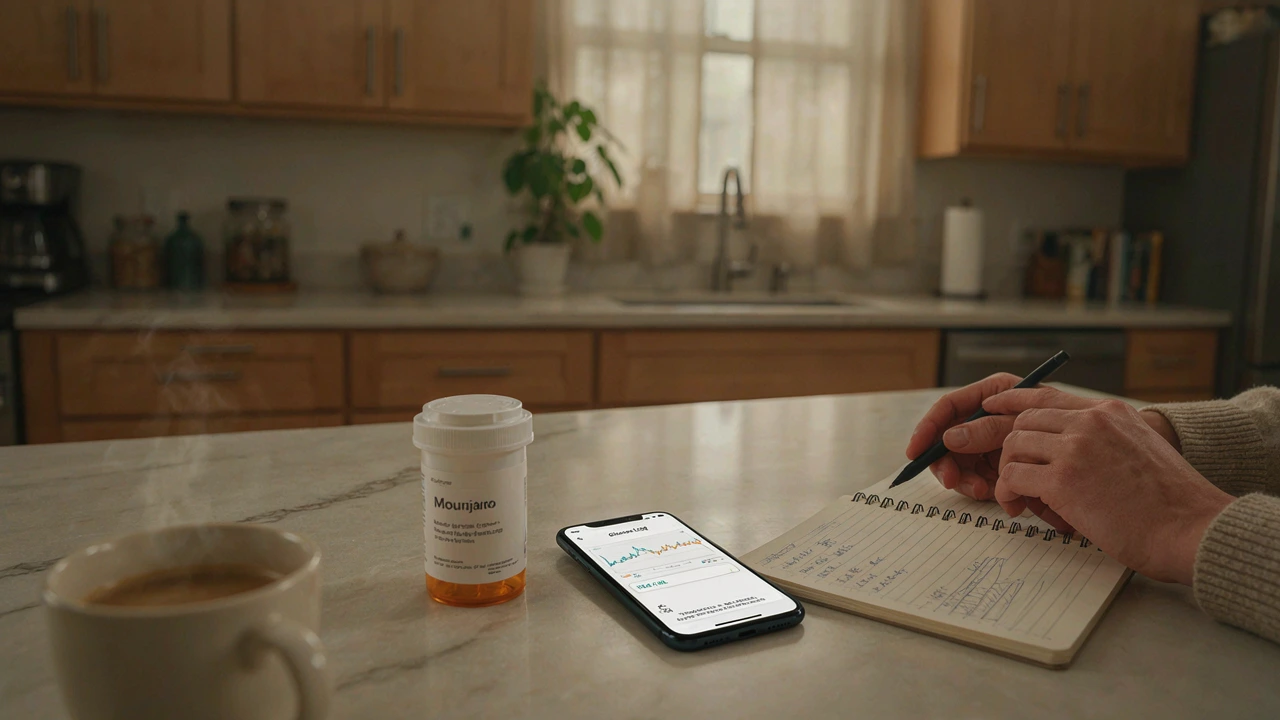
Mounjaro, known generically as tirzepatide, is a prescription medication authorized in Canada to improve glycemic control in adults living with Type 2 diabetes1. While its primary medical purpose is to help patients manage their blood sugar levels, clinical studies show it also frequently leads to reductions in body weight. Understanding how this dual-action treatment works, along with its potential risks and required lifestyle adjustments, is essential for Canadian patients exploring metabolic health options with a healthcare provider.
Understanding Mounjaro and Type 2 Diabetes
Type 2 diabetes is a chronic metabolic condition where the body does not use insulin properly, leading to elevated blood glucose levels over time. Managing this condition requires a comprehensive approach to prevent long-term complications affecting the heart, kidneys, and nervous system. In recent years, new classes of medications have entered the Canadian market to help patients who cannot reach their target blood sugar levels through diet and exercise alone.
How the Medication Works in the Body
Mounjaro belongs to a unique class of treatments known as dual GIP and GLP-1 receptor agonists. It is the first medication of its kind approved in Canada. It works by mimicking two natural incretin hormones found in the human digestive tract. These hormones are responsible for regulating blood sugar after you eat a meal. By activating both of these hormone receptors simultaneously, the medication provides a combined approach to metabolic regulation.
The Impact on Insulin and Digestion
When a patient takes this medication, it prompts the pancreas to release more insulin when blood sugar levels are high. At the same time, it reduces the amount of excess sugar the liver produces. It also slows the rate at which food leaves the stomach. This delayed gastric emptying helps prevent sudden spikes in blood sugar immediately after a meal, providing a steadier, more predictable glucose curve throughout the day.
What to Expect for Blood Sugar Management
For individuals living with Type 2 diabetes, achieving and maintaining a healthy hemoglobin A1C level2 is the primary goal of medical therapy. A1C is a blood test that reflects your average blood glucose levels over the past three months.
Monitoring Your Glucose Levels
Clinical data indicates that Mounjaro can significantly lower A1C levels for many adult patients. However, a medication is only one part of a comprehensive diabetes care plan. Patients must continue to monitor their blood sugar regularly at home as directed by their physician. Routine testing ensures the current dosage is safe and effective and helps the medical team make necessary adjustments to your overall treatment strategy.
Recognizing Signs of Hypoglycemia
While this treatment is designed to lower elevated blood sugar, blood sugar can drop too low. This condition is called hypoglycemia3. The risk of experiencing hypoglycemia increases if Mounjaro is prescribed alongside other diabetes medications like insulin or sulfonylureas. Patients must be vigilant for symptoms such as sudden sweating, shakiness, dizziness, confusion, or a rapid heart rate. Always carry a fast-acting carbohydrate source, like glucose tablets or fruit juice, to treat low blood sugar quickly if it occurs.
What to Expect Regarding Body Weight
Although Mounjaro is officially indicated in Canada for the treatment of Type 2 diabetes, weight loss is a widely documented secondary outcome. The relationship between body weight and blood sugar is significant, as excess body fat increases insulin resistance.
Weight Loss as a Secondary Outcome
The same hormonal mechanisms that regulate blood sugar also interact with the brain’s appetite centers. Because the medication slows digestion, patients often feel full much faster and stay full longer. This naturally suppresses appetite and helps individuals maintain a caloric deficit without feeling severe hunger. Over time, this reduction in caloric intake can lead to lower body weight and a lower Body Mass Index.
Combining Medication with Lifestyle Changes
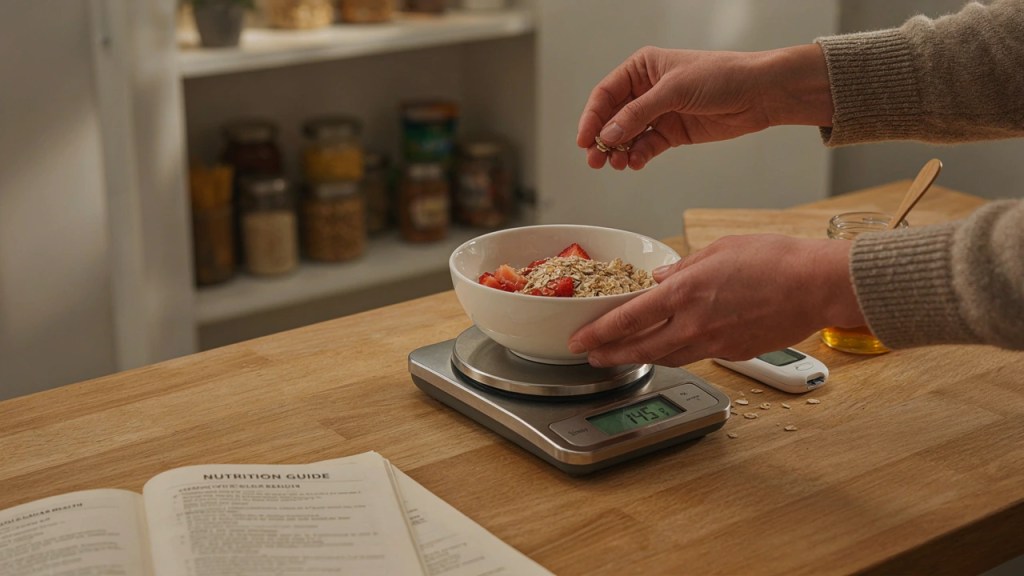
Prescription medications are not standalone solutions. To achieve sustainable changes in body weight and metabolic health, patients must pair their medical treatments with foundational lifestyle habits. A balanced, nutrient-dense diet and a consistent physical exercise routine are mandatory components of effective diabetes management. Relying solely on medication without making dietary adjustments will severely limit long-term success.
Important Safety and Risk Information
As required by Health Canada regulations4 regarding balanced medical information, it is crucial to recognize that Mounjaro carries potential health risks. Like all prescription drugs, it is not suitable for everyone and must be carefully evaluated by a licensed medical professional to ensure the benefits outweigh the risks.
Common Side Effects and Considerations
The most frequently reported side effects are gastrointestinal. Patients commonly experience nausea, diarrhea, vomiting, constipation, indigestion, and stomach pain, particularly when they first start the medication or when their dose is increased. In more severe, rare cases, there are risks of gallbladder problems, kidney injury related to dehydration, and inflammation of the pancreas.
When to Contact a Healthcare Professional
Patients should maintain close contact with their pharmacy team and prescribing doctor. If you experience severe abdominal pain that will not go away, persistent vomiting, or signs of an allergic reaction, you must seek immediate medical attention. Your doctor will review your complete medical history, including any personal or family history of thyroid cancer, to determine if this therapy is a safe option for your specific needs.
General Management and Care
Living with Type 2 diabetes is a lifelong journey that requires ongoing education and proactive health management. Beyond medication, reducing stress, getting adequate sleep, and attending routine medical checkups are vital habits. A multidisciplinary approach involving doctors, dietitians, and pharmacists provides the best foundation for long-term health. Keeping an open dialogue with your healthcare providers ensures that your treatment plan evolves safely alongside your changing health needs.
Frequently Asked Questions (FAQ)
Is Mounjaro approved for weight loss in Canada?
In Canada, Health Canada has officially authorized Mounjaro for adult patients with Type 2 diabetes to improve glycemic control. While weight loss is a well-documented secondary effect, it is not primarily indicated as a standalone weight-loss drug.
How long does it take for Mounjaro to work?
Many patients begin to see improvements in their daily blood sugar levels within the first few weeks of starting treatment. However, it can take several months of gradual dose adjustments to achieve optimal A1C reductions and notice significant changes in body weight.
Can I stop taking Mounjaro once my blood sugar is normal?
Type 2 diabetes is a chronic condition. If you stop taking your prescribed medication, your blood sugar levels will likely rise again. You should never stop or alter your medication regimen without first consulting your healthcare provider.
How is Mounjaro administered?
This medication is administered as a subcutaneous injection, meaning it is injected under the skin. It is typically taken once a week, at any time of day, with or without meals. Your doctor or pharmacist will provide detailed instructions on how to perform the injections safely at home.
Conclusion
Navigating Type 2 diabetes requires a comprehensive understanding of your treatment options, potential side effects, and necessary lifestyle modifications. While modern prescription medications offer new ways to manage blood sugar and support a healthy weight, they require careful medical supervision and a firm commitment to balanced nutrition and regular exercise. Working closely with licensed healthcare professionals ensures your care plan remains safe, effective, and tailored to your unique metabolic needs. If you are looking for domestic support, contact Kama Health’s pharmacy team for general inquiries, prescription transfers, or free delivery services.
Quick Answer: Clinical trials show that Ozempic (semaglutide) can lead to meaningful weight loss, with many patients losing 5% to 15% of their body weight over 6 to 12 months.…
Introduction GLP-1 medications have transformed the way weight loss is approached. Drugs like Ozempic, Wegovy, and Saxenda have helped many people achieve significant and sustained weight loss. But these medications…
Quick Answer: Most adults taking Ozempic should aim for roughly 1.2 to 1.6 grams of protein per kilogram of body weight each day. For a 70 kg (154 lb) person,…
Trustindex verifies that the original source of the review is Google.
Thank you very much for the great service provided to me. I have received the medication on time and the experience with KamaHealth was great! I appreciate that and I will continue with you when I need any medication. Again thank you so much for your service.
Posted on Google
Olivier Robert
Trustindex verifies that the original source of the review is Google.
Merci beaucoup! Service impeccable
Ho Yeah !
Posted on Google
Roger Howden
Trustindex verifies that the original source of the review is Google.
Very professional, patient and polite service rendered at KamaHealth.
Posted on Google
Malcolm Brown
Trustindex verifies that the original source of the review is Google.
Great team and great support!
Verified by Trustindex
Trustindex verified badge is the Universal Symbol of Trust. Only the greatest companies can get the verified badge who has a review score above 4.5, based on customer reviews over the past 12 months. Read more
KamaHealth 201-7350 King George Blvd. Surrey, BC V3W 5A5
We recognize that Surrey is situated on the unceded traditional territories of the Coast Salish peoples, including the Katzie, Kwantlen and Semiahmoo First Nations. We also respectfully acknowledge the many other Indigenous nations that are represented among Surrey’s population.
Please select your preferred provider for online consultation.
We specialize in Men’s Health.
Themd.ca service is FREE for patients in British Columbia with a valid health number.
For patients located elsewhere in Canada, we provide virtual consultation for men’s health if you are in Alberta, Ontario, New Brunswick, Nova Scotia and Yukon for a flat fee of $40.00. This is changing, so please visit our website for any updates and changes.
Add "Kama Health Pharmacy" on the
preferred pharmacy field to lock in affordable medications