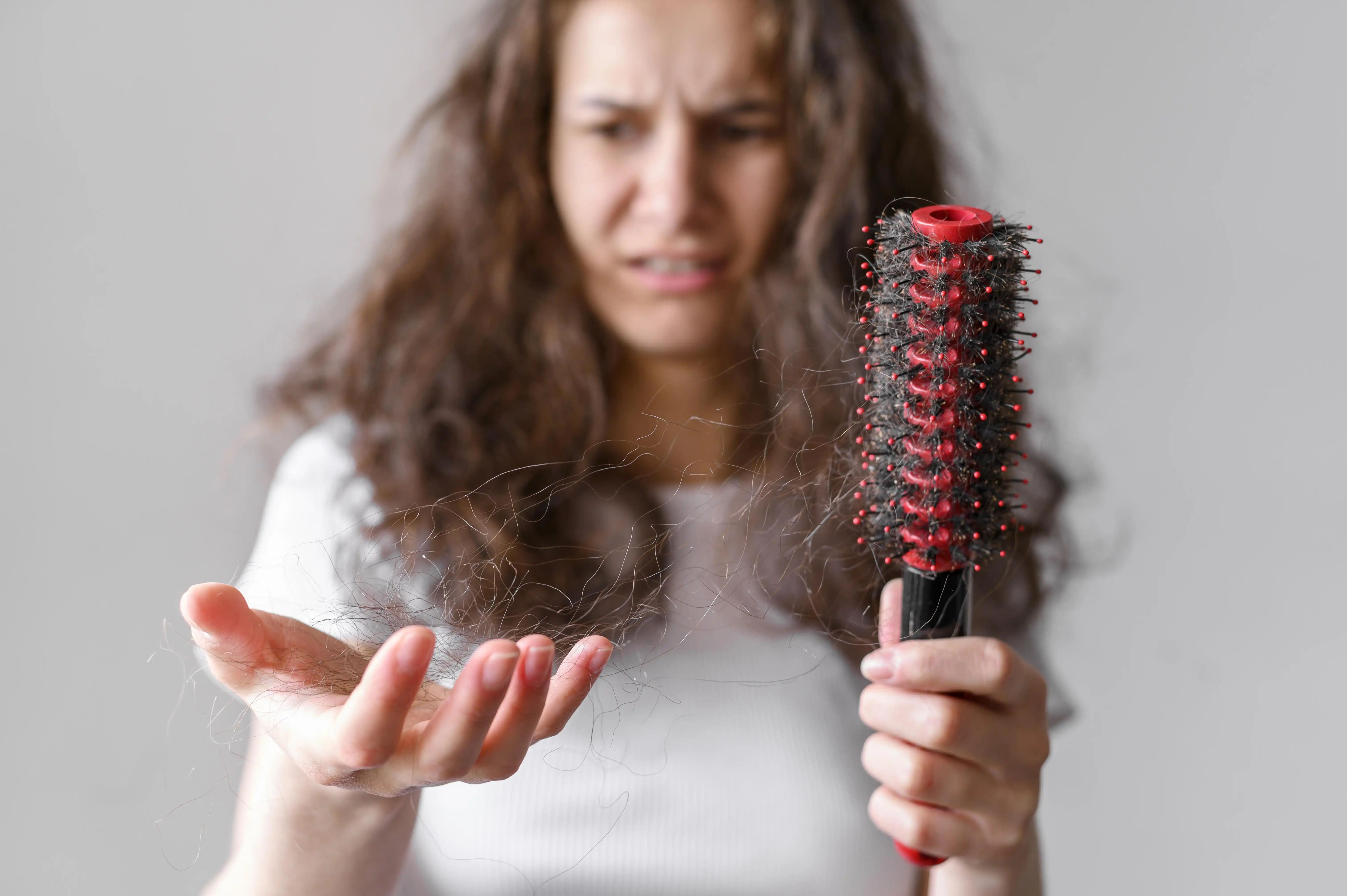
Seasonal Hair Shedding: Why You Lose More Hair in Certain Months
Losing up to 100 hairs a day is perfectly normal, but if you notice a sudden surge in shedding, especially during specific times of the year, seasonal hair shedding could be the reason. Being able to distinguish between this temporary cycle and more serious hair loss is essential. In this post, we’ll explore when seasonal shedding may indicate a more serious issue and how treatments, including those with noticeable results from Finasteride before and after, can help manage ongoing hair loss.
Understanding Hair Shedding
Have you noticed more hair in your brush or clogging your shower drain during specific times of the year? You’re not alone. This is a normal and continuous part of the hair growth cycle, and for many people, it becomes more noticeable with the change in seasons. Understanding why this happens and how it relates to weather shifts can help you take better control of your hair health.
Today, we’ll break down the basics of hair shedding, dive into the concept of seasonal hair shedding, and explore why certain times of year (like fall and spring) can trigger increased hair loss. We’ll also examine who is most affected and why it’s not always something to worry about.
Hair follows a natural growth cycle that consists of three key phases:
Anagen (Growth Phase): This phase lasts between 2 and 7 years, with around 90% of your hair actively growing at any given time.
Catagen (Transition Phase): A short transitional stage where hair growth slows down and the follicle begins to shrink.
Telogen (Resting or Shedding Phase): The final stage, where old hairs are shed to make way for new ones.
Hair Shedding vs. Hair Loss: How to Tell the Difference
Understanding the distinction between normal shedding and actual hair loss is essential:
Hair shedding is a natural and temporary phase in the hair growth cycle.
Hair loss, on the other hand, seen in conditions like alopecia areata or androgenetic alopecia, occurs when hair fails to grow back or progressively thins out.
If you are noticing bald spots, a receding hairline, or a widening part in your hair, you are likely dealing with hair loss rather than typical shedding.
What Is Seasonal Hair Shedding?
Seasonal hair shedding is a temporary increase in hair fall that typically occurs during specific times of the year, most commonly in the spring and fall. Unlike long-term conditions like androgenetic alopecia, this type of shedding is usually brief and resolves without medical treatment.
The increase occurs when a larger portion of hair follicles enter the telogen (resting) phase simultaneously, leading to more noticeable shedding. The good news is that this process typically doesn’t result in permanent thinning or bald spots, as the hair usually regrows naturally over time.
Why Does Hair Shed More in Fall and Spring?
While seasonal hair shedding is still being thoroughly studied, several known factors help explain why hair fall tends to increase during certain times of the year:
Environmental Changes: Extended sun exposure in the summer often prolongs the hair’s growth phase (anagen). As daylight fades in the fall, many follicles shift into the resting phase (telogen), resulting in more noticeable shedding.
Hormonal Shifts: Daylight variations can influence melatonin levels, a hormone that may indirectly impact the hair growth cycle and contribute to seasonal shedding patterns.
Lifestyle and Stress Factors: Seasonal transitions often bring changes in routine, such as the start of a school year, holiday planning, or increased travel. These shifts can cause both physical and emotional stress, which may also lead to excessive hair shedding.
Temperature and Humidity Fluctuations: Rapid changes in climate, from warm and humid to cool and dry, can cause stress on the scalp and weaken hair follicles, increasing the likelihood of shedding.
When to Consult a Doctor
It is a good idea to see a dermatologist or healthcare professional if:
You are losing noticeably more than 100 hairs per day
Your hair is not growing back after a period of shedding
You experience other symptoms like itching, pain, or scalp redness
You observe bald patches or general thinning
Early diagnosis can help manage or even reverse the issue through treatments such as lifestyle changes, topical solutions, or medications, as evident in Finasteride before-and-after results.
For those with genetic hair loss or androgenetic alopecia, seasonal shedding may reveal deeper issues. One of the most effective treatments is Finasteride, a prescription medication that:
Blocks DHT, the hormone that shrinks hair follicles
Encourages regrowth in thinning areas
Slows down hair loss progression
Countless users have reported noticeable improvements in their Finasteride results before and after 3-6 months of consistent use. Benefits include:
Denser and fuller hair
Reduced daily shedding
Regrowth along the crown or hairline
Note: Always consult a healthcare professional before starting Finasteride to determine if it is suitable for your type of hair loss and overall health status.
2. Handle Your Hair with Care
Hair tends to be more fragile during shedding seasons. Protect it by avoiding:
Chemical treatments like bleaching or perming
Excessive brushing or tugging
Frequent heat styling with blow dryers or flat irons
Tight hairstyles that pull at the roots
Instead, choose looser styles, let your hair air-dry, and use a wide-tooth comb to minimize breakage.
3. Nourish Your Hair from Within
Your diet has a direct impact on hair strength and regrowth. Eat a variety of nutrient-rich foods such as:
Biotin and Protein: Essential for hair structure and found in beans, eggs, oats, and poultry
Iron: Found in lean red meat, lentils, and spinach
Vitamin D: From eggs, fortified dairy, and mushrooms
Zinc: Present in nuts, seeds, and shellfish
Eating a balanced diet ensures your follicles have the building blocks they need to thrive.
4. Reduce Stress to Regulate Hair Cycles
Prolonged stress can cause hair to enter the telogen phase, leading to noticeable hair loss. To keep your hair cycle balanced, incorporate stress-reducing habits such as:
Breathing exercises
Daily meditation
Getting consistent and restorative sleep
Limiting screen time, especially before bed
Regular physical activity
5. Support Scalp Health First
A healthy scalp lies the foundation for strong, resilient hair. Cleanse regularly with a gentle, sulphate-free shampoo to prevent product buildup, dirt, and oil from clogging your follicles and disrupting hair growth. Additionally, you can boost scalp circulation with weekly massages, which can help stimulate hair follicles and encourage natural growth.
6. Use Supplements to Fill Nutritional Gaps
If your daily meals are not providing enough essential vitamins and minerals, a high-quality hair supplement can offer targeted support. Choose options that are:
Clinically backed and dermatologist-tested
Free from harmful additives and synthetic fillers
Rich in biotin, iron, zinc, and other hair-supportive nutrients
Supplements can complement your diet and support your body’s ability to grow strong, healthy hair.
Seasonal hair shedding is a natural process, but that doesn’t mean you have to accept thinning hair. By caring for your scalp, maintaining a nutrient-rich lifestyle, managing stress, and considering treatment options like Finasteride, you can reduce excessive shedding and support long-term hair health.
If you are in doubt, check Finasteride before and after results and see what users have to say with the product. With consistency and patience, real improvement is within reach, even for those experiencing more than just seasonal hair fall.
Key Takeaways
You don’t have to feel helpless during high-shedding seasons. By taking care of your scalp, nourishing your body, and using science-backed solutions, you can maintain your hair’s strength throughout the year. If shedding persists or worsens, Finasteride may be a suitable option. Many users have shared their Finasteride before-and-after results, showing real, measurable improvements in regrowth and thickness after just a few months of treatment.
Childhood migraines can be just as severe and just as disruptive as those in adults. It impacts not just their well-being, but also their education and daily life. Early diagnosis…
Hair loss doesn’t discriminate; it affects both men and women and can result from a wide range of factors. Fortunately, options like Finasteride are available to help manage certain types…
Studies estimate that migraines affect over 1 billion people globally, with many reporting significant interference in daily tasks and work performance. Migraines often strike without a warning, making it difficult…
Trustindex verifies that the original source of the review is Google.
Thank you very much for the great service provided to me. I have received the medication on time and the experience with KamaHealth was great! I appreciate that and I will continue with you when I need any medication. Again thank you so much for your service.
Posted on
Olivier Robert
Trustindex verifies that the original source of the review is Google.
Merci beaucoup! Service impeccable
Ho Yeah !
Posted on
Roger Howden
Trustindex verifies that the original source of the review is Google.
Very professional, patient and polite service rendered at KamaHealth.
Posted on
Malcolm Brown
Trustindex verifies that the original source of the review is Google.
Great team and great support!
Verified by Trustindex
Trustindex verified badge is the Universal Symbol of Trust. Only the greatest companies can get the verified badge who has a review score above 4.5, based on customer reviews over the past 12 months. Read more
KamaHealth 201-7350 King George Blvd. Surrey, BC V3W 5A5
We recognize that Surrey is situated on the unceded traditional territories of the Coast Salish peoples, including the Katzie, Kwantlen and Semiahmoo First Nations. We also respectfully acknowledge the many other Indigenous nations that are represented among Surrey’s population.
Please select your preferred provider for online consultation.
We specialize in Men’s Health.
Themd.ca service is FREE for patients in British Columbia with a valid health number.
For patients located elsewhere in Canada, we provide virtual consultation for men’s health if you are in Alberta, Ontario, New Brunswick, Nova Scotia and Yukon for a flat fee of $40.00. This is changing, so please visit our website for any updates and changes.
Add "Kama Health Pharmacy" on the
preferred pharmacy field to lock in affordable medications
The International Index of Erectile Function (IIEF-5) questionnaire below will provide you with a quick result in the form of a score from 5 to 25.
Men with concerns about their erectile function can take this quick test and get some information on whether it might be good to seek help for ED.
What Qualifies as an Erectile Dysfunction Problem?
Most men have experienced some difficulty in getting or keeping an erection. Having trouble when you’re nervous or have had too much to drink may not be something to be concerned about.
It isn’t erectile dysfunction unless you are experiencing ongoing difficulty.
The Canadian Study of Erectile Dysfunction identified 49.4% of men over 40 with ED (Canadian Urological Association erectile dysfunction guideline 2015). Though all men may experience an occasional lapse of sexual function, ED is the persistent inability to achieve an erection, despite being sexually aroused.
IIEF-5 Erectile Dysfunction Questionnaire Scoring
Each of the questions has five possible responses, with score values from one to five.
Your total score is simply the sum of the values of all five answers to the ED test questions.
Possible ED Test Score Ranges
22-25: No erectile dysfunction 17-21: Mild erectile dysfunction 12-16: Mild to moderate erectile dysfunction 8-11: Moderate erectile dysfunction 5-7: Severe erectile dysfunction
The results of this brief self-evaluation should be used as a guide for whether you might want to consult with a doctor, and not as a replacement for a medical consultation.
Take the International Index of Erectile Function (IIEF-5) Questionnaire
Answer the five questions and the results will be automatically emailed to you in minutes.
The information you choose to share will be treated as confidential and will not be disclosed to any third parties.
Discover more from Kama Health
Subscribe now to keep reading and get access to the full archive.