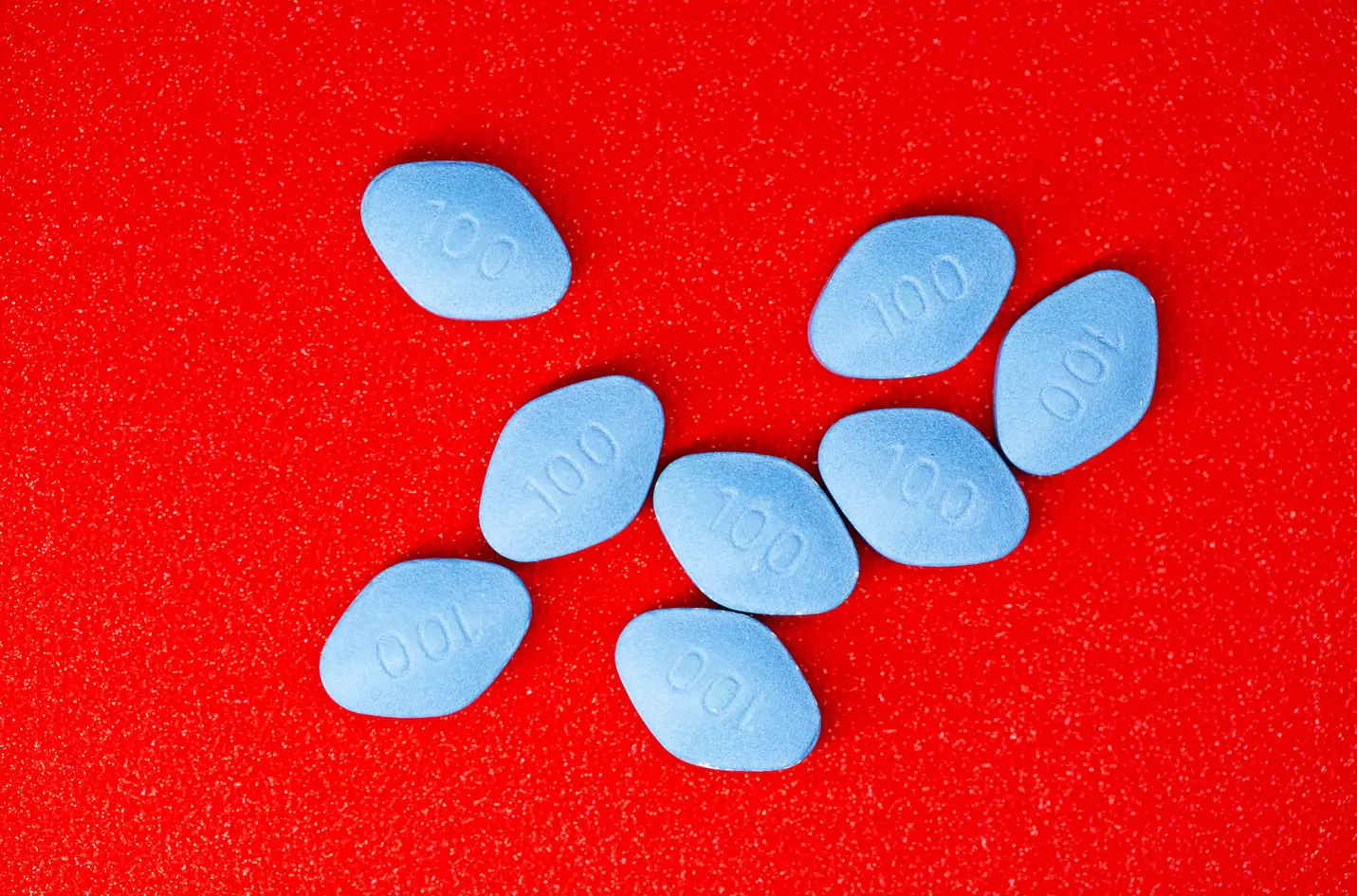
The prostate is an essential gland in the reproductive system of the male and plays a crucial role in sexual health. Many people think that you should only be concerned about your prostate health once you get older. Still, it is best to understand the importance of healthy prostate function to lessen your risks for prostate problems like having an enlarged prostate or BPH (Benign Prostatic Hyperplasia).
BPH is a common condition among older men, and its exact causes have not yet been determined. However, there is nothing to worry about since the condition can be easily managed with the help of the proper medication for BPH. This article will share essential details about BPH and the drugs usually prescribed by doctors. We will also add a few tips on how you can prevent BPH.
Key Facts about BPH
Having an enlarged prostate can cause bothersome symptoms such as the following:
- Dribbling towards the end of peeing
- Frequent urination
- Incomplete emptying of the bladder
- Nocturia (frequent peeing during the night)
- Trouble starting urination
- Weak urine stream
Other symptoms may include:
- Blood in the urine
- Unable to pee
- UTI
Risk Factors
- Age
- Family History
- Metabolic Syndrome
- Obesity
How is BPH diagnosed?
If you are experiencing any of the abovementioned symptoms, please see your doctor immediately. Proper diagnosis is essential so your doctor can prescribe the appropriate treatment or medication for BPH.
Diagnosing BPH includes a few steps, such as checking the symptoms, determining the severity of the condition, and ruling out other ailments. Here’s what to expect during the diagnostic process:
- Medical History Evaluation: The first step that your doctor will do is to review your medical history and assess your symptoms. Your doctor will ask pertinent questions such as urination habits and daily fluid intake. You will also have to disclose all medications or supplements you are taking and other health conditions you may have.
- Physical Examination: Your doctor will conduct a complete physical exam, including a DRE (digital rectal examination).
- Additional Tests: Sometimes, your doctor will request additional tests such as a urinalysis, PSA (prostate-specific antigen) test, urodynamic tests, MRI or CT scans or a cystoscopy. Based on the diagnosis, your doctor can properly determine the severity of your condition and prescribe the best treatment plan or medication for BPH. Your doctor can create a personalized treatment plan aligned with your overall condition and effectively manage your BPH symptoms.
Common Medications for BPH
Medications for BPH are designed to help boost urinary flow and alleviate the symptoms. Here’s a list of the preferred BPH medications:
- Alpha-Blockers: Alpha-blockers block the alpha receptors in the bladder and prostate, which helps relax the prostate muscles and minimizes the pressure on the urethra. Examples of alpha-blockers are alfuzosin (Uroxatral) and tamsulosin (Flomax).
- Anticholinergics: Anticholinergic drugs can help relax the muscles in the bladder and will help minimize sudden urges to urinate. Examples of anticholinergics are oxybutynin (Ditropan) and tolterodine (Detrol).
- Beta-3 Agonists: Beta-3 agonist medications are the following best if you can’t take anticholinergics. They work the same way by relaxing the bladder muscles.
- Phosphodiesterase type-5 Inhibitors: PDE5 inhibitors are more popularly known as ED (erectile dysfunction) medications, but they can also be prescribed for BPH patients. One best example is Cialis, or its generic name, Tadalafil.
- 5-Alpha Reductase Inhibitors: 5-ARIs lessen the production of DHT (dihydrotestosterone), which contributes to the growth of the prostate and results in the shrinkage of the prostate gland. Examples of ARIs are dutasteride (Avodart) and finasteride (Proscar).
- Combination Medications: In some cases, your doctor will prescribe a combination of medication for BPH, such as the following:
- Alpha-blockers and Anticholinergics for patients with an overactive bladder
- Alpha-blockers and 5-Alpha Reductase Inhibitors for patients with severe BPH or those who have symptoms of urinary retention
- PDE-5 Inhibitors and 5-Alpha Reductase Inhibitors for patients who are also diagnosed with ED (erectile dysfunction)
Tips for BPH Prevention
BPH is not entirely preventable, but there are a few strategies that can help prevent the condition from happening. Check out these tips that can potentially help avoid BPH:
- Be careful of the medications that you take. Some medications like antidepressants, antihistamines and decongestants can worsen the symptoms of BPH. Always consult your doctor regarding the type of medications that you are taking to avoid potential risks or side effects.
- Maintain a healthy and nutritious diet rich in fruits, lean proteins, vegetables and whole grains. A few studies have revealed that food rich in antioxidants, beta-carotene (carrots) and lycopene (tomatoes) can help boost prostate health.
- Manage your weight. Obesity can contribute to the risk of BPH and can affect your overall health. Stay active and incorporate an exercise program into your routine. Aim for at least 30 minutes of exercise, or you can sign up at the gym and get help from a trainer. It is also essential to manage your stress through relaxation techniques. Try meditation or yoga to help release stress and improve your overall health.
- Quit smoking and limit your alcohol intake. These habits can affect your prostate health and can worsen the symptoms, especially when you already have the condition.
- Trust your doctor and follow their medical advice. Always show up for your routine checkups for early detection. If you are already diagnosed with BPH, make sure to take your medications as prescribed and never attempt to self-medicate. You may also ask your doctor what techniques can help you practice bladder control, which can help lessen urinary symptoms.
In conclusion, BPH may be a severe condition, but it can be treated appropriately and even be prevented. If you experience any symptoms, consult your doctor immediately for a proper diagnosis and get the corresponding treatment or medication for BPH.
Sources