

How BMI Affects Blood Sugar: A Simple Patient Guide
Body Mass Index (BMI) is a practical tool that estimates total body fat based on your height and weight. For many individuals, a higher BMI is closely linked to elevated…


AI summaries are provided for informational purposes only and do not replace professional medical advice.
Understanding how to navigate your nutritional needs while taking prescription medications is crucial for your overall health. Mounjaro is a prescription medicine approved to improve glycemic control in adults with Type 2 diabetes. While its primary role is managing blood sugar, many patients experience weight loss as a secondary clinical effect during their treatment. If you and your healthcare provider have decided that this medication is right for your diabetes management plan, you might be wondering how to adjust your eating habits.
Here are some informative and educational diet tips to help you support your body, manage potential side effects, and optimize your health outcomes.
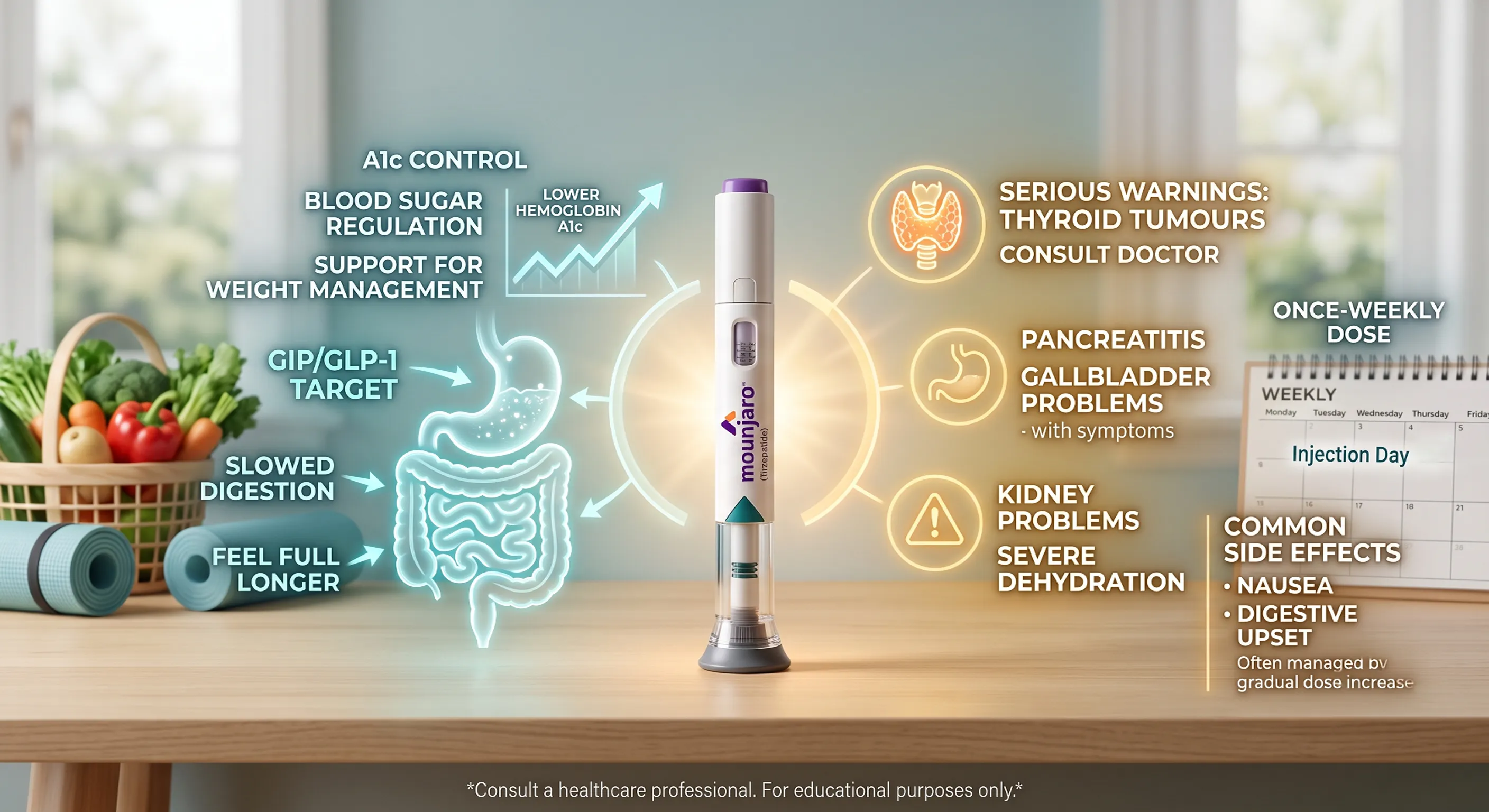
Mounjaro works by mimicking hormones in your body that regulate blood sugar and appetite. It slows digestion, which helps you feel full faster and for longer. Because your stomach empties more slowly, your dietary choices become incredibly important. Eating large meals or highly processed foods can lead to uncomfortable gastrointestinal side effects.
When you focus on a balanced and nutrient-dense diet, you not only support your blood sugar levels but also create an environment where healthy weight management can occur as a natural byproduct of your treatment.
Adopting the right dietary strategies can help you maximize the benefits of your disease management plan while minimizing discomfort. Here are actionable tips to consider.
Since this medication reduces your appetite, you might find yourself eating smaller portions. To ensure your body gets the fuel it needs, make lean protein the star of your meals. Protein helps maintain muscle mass, which is vital when you are losing weight. Focus on foods like chicken breast, turkey, fish, tofu, eggs, and legumes. Eating your protein first during a meal can also help you feel satisfied without overeating.
Hydration is a critical component of any health journey. With a reduced appetite, you might also forget to drink enough water. Dehydration can worsen common side effects like nausea and constipation. Aim to sip water consistently throughout the day. If plain water is unappealing, try infusing it with cucumber or lemon. Avoid sugary drinks, as they can spike your blood sugar and counter the effects of your disease management efforts.
Fibre is essential for healthy digestion and can help prevent the constipation that sometimes accompanies this medication. Incorporate plenty of vegetables, fruits, whole grains, and beans into your daily routine. However, because your digestion is already slowed down, introduce fibre gradually to avoid bloating and gas. Cooked vegetables are often easier to digest than raw ones if you are experiencing stomach upset.
Large meals can sit heavily in your stomach and cause severe discomfort, nausea, or acid reflux. Instead of three large meals, try eating four to six smaller meals or snacks throughout the day. This approach helps keep your blood sugar stable and makes it easier for your digestive system to process food.
High-fat, greasy, and fried foods are notoriously difficult to digest. When combined with a medication that delays gastric emptying, these foods are a major trigger for nausea and upset stomach. Opt for cooking methods such as baking, grilling, steaming, or air frying to keep your meals lighter and easier on your stomach.
It is important to remember that prescription medications come with potential side effects. The most common side effects associated with this treatment include nausea, diarrhea, decreased appetite, vomiting, constipation, and stomach pain. By eating smaller portions, avoiding greasy foods, and staying hydrated, you can often mitigate these gastrointestinal issues.
However, serious risks exist. These can include inflammation of the pancreas, gallbladder problems, low blood sugar, and a risk of thyroid tumours. Always maintain open communication with your healthcare provider. If you experience severe abdominal pain, persistent vomiting, or signs of an allergic reaction, seek medical attention immediately.
You should avoid high-fat foods, greasy and fried meals, overly processed snacks, and sugary foods. These items can worsen digestive side effects, such as nausea, and disrupt your blood sugar management. Limit alcohol consumption as well, as it can increase the risk of low blood sugar.
There is no single mandatory diet, but a balanced approach focusing on lean proteins, fibre, and whole foods is highly recommended. Consulting a registered dietitian can provide you with a personalized meal plan tailored to your medical history and lifestyle.
Weight changes vary from person to person. If you are not seeing changes, it could be related to your caloric intake, activity level, or underlying metabolic factors. Medication works best when combined with sustainable lifestyle changes, including a nutritious diet and regular exercise.
While it is normal to have a decreased appetite, completely skipping meals can lead to low blood sugar, fatigue, and muscle loss. Try to eat a small, nutrient-dense snack like a handful of almonds or a piece of fruit, even if you do not feel overly hungry.
Navigating a new medication requires patience, awareness, and a proactive approach to your daily habits. By prioritizing nutrient-dense foods, staying hydrated, and listening closely to your body’s signals, you can support your treatment and maximize your overall well-being. Remember that prescription medications are tools designed to work alongside healthy lifestyle choices, not replace them. Always consult with your healthcare professional before making significant changes to your diet or exercise routine to ensure they align with your specific medical needs. Taking charge of your nutrition is a powerful step toward a healthier, more vibrant you.



We specialize in Men’s Health.
Themd.ca service is FREE for patients in British Columbia with a valid health number.
For patients located elsewhere in Canada, we provide virtual consultation for men’s health if you are in Alberta, Ontario, New Brunswick, Nova Scotia and Yukon for a flat fee of $40.00. This is changing, so please visit our website for any updates and changes.
Add "Kama Health Pharmacy" on the preferred pharmacy field to lock in affordable medications
Themd.ca


