

How BMI Affects Blood Sugar: A Simple Patient Guide
Body Mass Index (BMI) is a practical tool that estimates total body fat based on your height and weight. For many individuals, a higher BMI is closely linked to elevated…


If you have been reading the news or browsing social media lately, you have probably heard a lot about Ozempic. It has become one of the most talked-about medications in the world. However, beyond the media headlines, it is important to understand what this medication is, what it does, and what to consider before speaking with your doctor about it.
This guide provides an objective, educational look at Ozempic to help you understand how it works, its approved medical uses, and the potential risks involved.
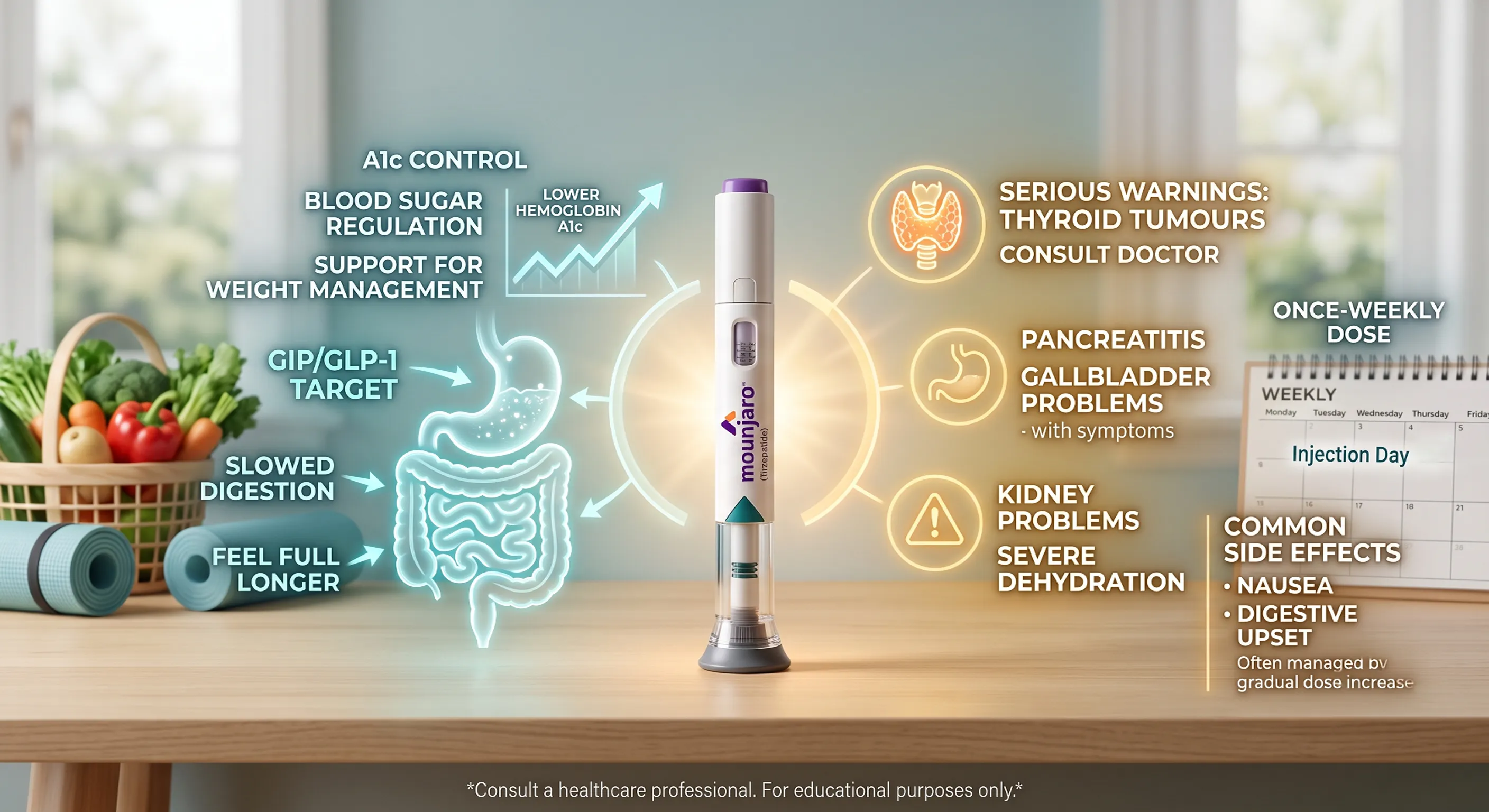
Ozempic is a prescription medication approved for adults. It is an injectable medication typically administered once weekly. The active medicine inside Ozempic is called semaglutide.
Semaglutide belongs to a class of drugs known as glucagon-like peptide-1 receptor agonists, often abbreviated as GLP-1 agonists. It is a synthetic version of a hormone your body naturally produces when you eat.
When you take this medication, it mimics the natural GLP-1 hormone to perform three main functions in the body:
It is crucial to know exactly what health authorities have approved this medication for. It is not designed or authorized for general lifestyle use.
The primary, approved purpose of Ozempic is to improve blood sugar control in adults who live with Type 2 diabetes. It is meant to be used alongside a proper diet and a regular exercise routine. It is not used to treat Type 1 diabetes.
For individuals who have Type 2 diabetes and established cardiovascular disease, the medication has also been approved to help reduce the risk of major cardiovascular events. This includes lowering the risk of suffering from a stroke or a heart attack.

Like any prescription medication, semaglutide comes with a variety of potential side effects. These can range from mild discomfort to severe medical complications. Anyone considering this treatment must look closely at these factors.
The most frequent side effects reported by people taking this medication involve the digestive system. Because the drug slows down digestion, it commonly causes:
For many individuals, these symptoms are most noticeable when they first start the medication or when their doctor increases the dose.
There are more serious health risks that require immediate medical attention. These include:
Starting a prescription medication is a serious decision that requires an open, honest discussion with a licensed healthcare professional.
Your doctor will evaluate your complete medical history before deciding if semaglutide is safe for you. You should prepare to share details about your current medical conditions, your family health history, and any other medications, supplements, or vitamins you are taking. This helps prevent dangerous drug interactions and ensures the medication fits your overall health strategy.
Semaglutide is the actual active chemical ingredient in the medication. Ozempic is the specific brand name the manufacturer assigned to the version approved to treat Type 2 diabetes.
No, it is not insulin. Instead of replacing insulin, it encourages your own pancreas to produce more insulin when your body needs it, specifically after you eat.
It is taken as a subcutaneous injection, which means it is injected into the fat layer just under the skin. Common injection sites include the stomach, thigh, or upper arm. It is done once a week, on the same day each week.
You should never stop taking a prescribed medication without consulting your healthcare provider first. Stopping the medication abruptly can cause your blood sugar levels to spike back up, which can negatively impact your diabetes management.
Ozempic represents a significant tool in modern medicine for managing Type 2 diabetes and protecting cardiovascular health. However, it is a complex prescription drug with real risks and side effects that must be carefully weighed. True health management involves considering the complete picture of your well-being, including nutrition, physical activity, and medical guidance. If you believe this treatment might be appropriate for your health journey, schedule a consultation with your primary care provider to discuss your options safely and responsibly.



We specialize in Men’s Health.
Themd.ca service is FREE for patients in British Columbia with a valid health number.
For patients located elsewhere in Canada, we provide virtual consultation for men’s health if you are in Alberta, Ontario, New Brunswick, Nova Scotia and Yukon for a flat fee of $40.00. This is changing, so please visit our website for any updates and changes.
Add "Kama Health Pharmacy" on the preferred pharmacy field to lock in affordable medications
Themd.ca


